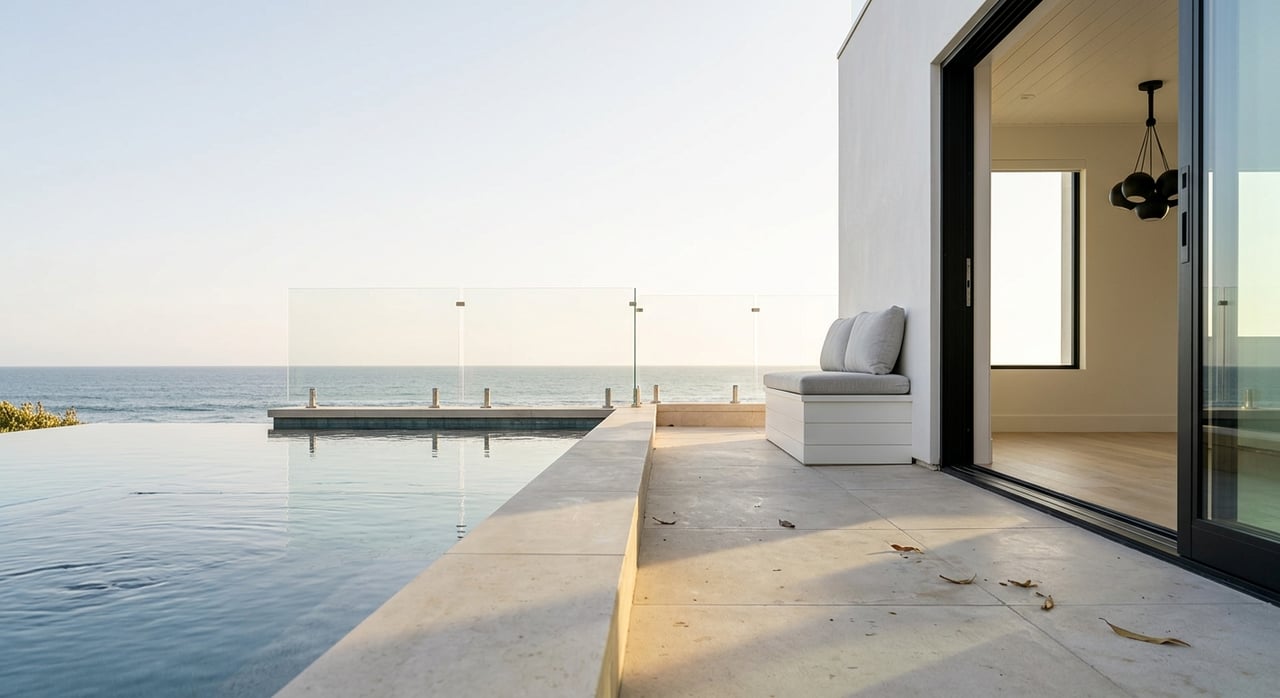
How much is that sunset worth? If you own or want to buy an ocean-view home in Encinitas, you’ve likely seen prices swing wildly for what looks like the same view. You’re not imagining it. Small differences in view quality, orientation, and walkability can change value in meaningful ways. In this guide, you’ll learn a clear, step-by-step way to price an ocean view, choose the right comps, and communicate the premium with confidence. Let’s dive in.
What drives ocean-view value in Encinitas
Encinitas is a mature coastal market with distinct beach nodes like Moonlight Beach, Swami’s, and Cardiff/Leucadia. Buyers come for the lifestyle: surfing, coastal parks, and walkable downtowns. That demand concentrates premiums around visible access points and neighborhood centers.
Different buyer types value views differently. Primary residents often pay for lifestyle and walkability. Investor and second-home buyers may emphasize visible coastline and proximity to popular breaks. Downsizers prioritize low-maintenance living and daily access to dining and parks. Knowing which buyer is most likely for your home helps you price the view premium realistically.
Supply is limited near the coast. Coastal development controls and height restrictions reduce new vertical construction in many areas. That scarcity supports premiums for existing unobstructed views. At the same time, coastal hazards like bluff erosion and flood zones influence perception, insurance costs, and lender guidelines, which can temper premiums for some properties.
Decode your view: quality and orientation
Not all views are created equal. Start by cataloging your view with simple, clear categories.
- View extent: panoramic, broad partial, partial/oblique, peek/peekaboo, or none.
- View quality: unobstructed vs. obstructed by vegetation, buildings, or utility lines.
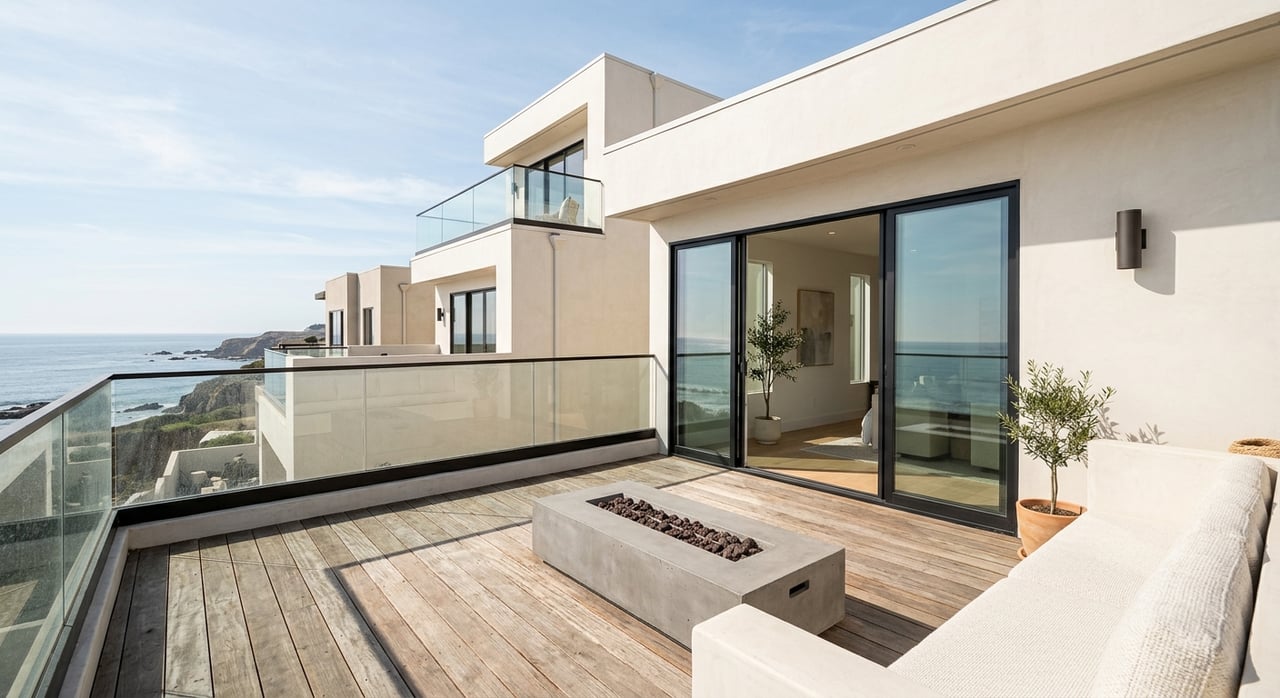
- Elevation: bluff-top or elevated parcels usually see farther and suffer fewer obstructions.
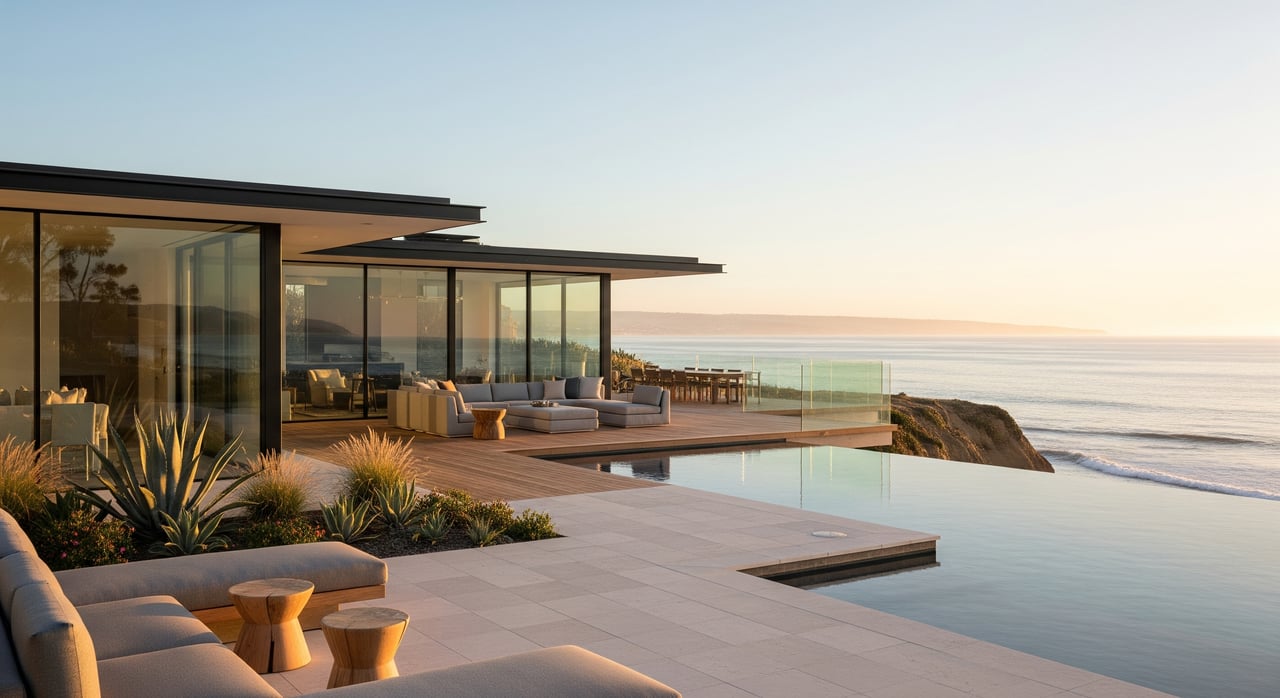
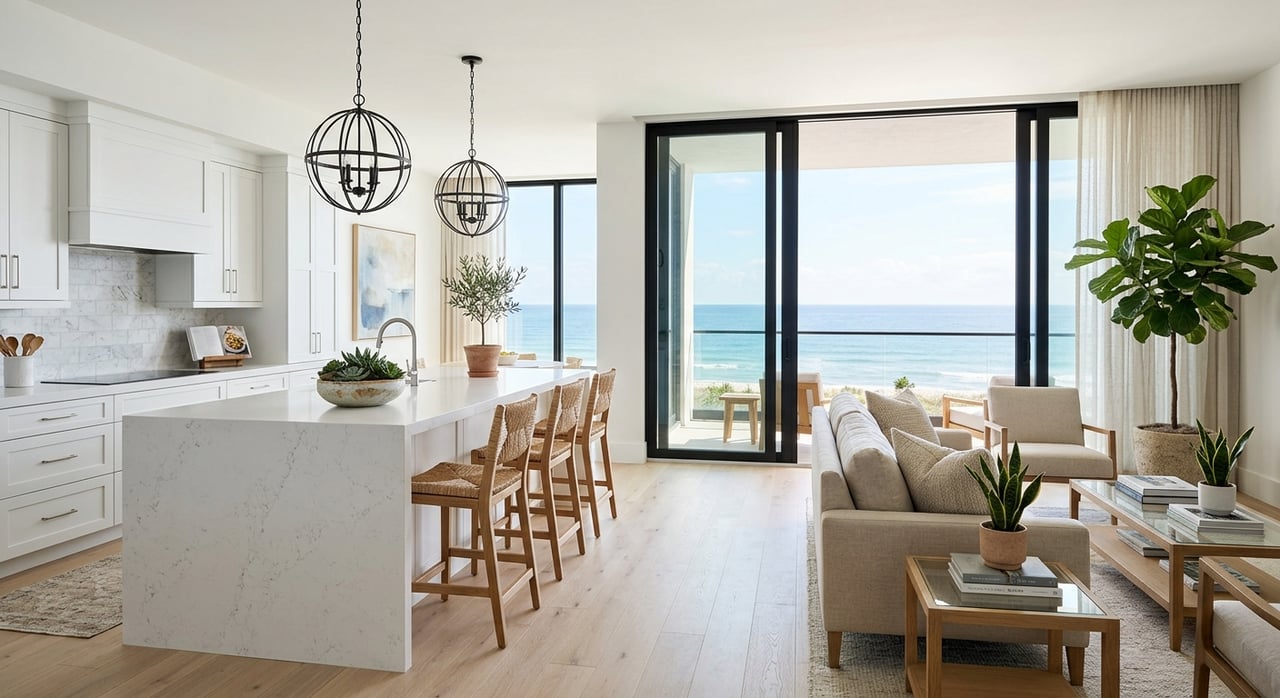
- Orientation: west and southwest exposures tend to offer direct sunsets and dramatic light. Northwest views can be compelling when panoramic.
- Placement in the home: upper levels, main living areas, and roof decks capture more value than secondary rooms.
- Privacy and noise: tranquil sightlines away from busy streets often carry a higher premium.
- Permanence: views protected by zoning or open space are typically worth more than those at risk of future blockage.
A simple qualitative hierarchy can help you frame value:
- Highest: full, unobstructed panorama plus sunset exposure with close walkability to a beach or downtown node.
- High: broad partial view with short walk to the beach.
- Moderate: partial or angled view with some obstructions and moderate walk distance.
- Low: peekaboo glimpses or inland outlooks far from the beach.
Walkability enhances the premium
The same view is worth more when you can enjoy it and the coastline daily. In Encinitas, proximity to beaches, restaurants, shops, and COASTER access amplifies value because use is frequent and convenient.
Common distance bands you can apply as a starting framework:
- Immediate walk: 0 to 0.25 miles
- Near-walk: 0.25 to 0.75 miles
- Walkable: 0.75 to 1.5 miles
- Drive required: beyond 1.5 miles
Walkability and view are not strictly additive. A top-tier view within an immediate walk zone often commands a multiplicative effect because lifestyle and, for some buyers, rental potential both increase.
Select the right Encinitas comps
Comp selection around the coast is a block-by-block exercise. Use the smallest reasonable area with comparable characteristics, ideally the same beach node or street. View premiums shift quickly with slight changes in elevation and sightlines.
- Timeframe: prioritize closed sales from the last 6 to 12 months. In slower periods, extend to 12 to 24 months and note market movement.
- Physical similarity: match effective age, condition, square footage, bed/bath count, lot usability, parking, and recent renovations.
- Orientation and room placement: align exposure and where the view is experienced in the home.
- Walkability: keep distance to specific amenities consistent across comps.
If you can’t find perfect matches, move outward gradually and document why a broader area is necessary.
From comps to view adjustments
You have three practical tools to quantify a view premium.
- Paired-sales analysis: find two similar sales that differ primarily by view and compute the price gap. This is the most direct market signal.
- Matched-market adjustments: use several comps with different view categories and apply consistent dollar or percent adjustments to reconcile prices.
- Regression or hedonic modeling: when enough local sales exist, estimate the marginal contribution of view while controlling for size, beds, baths, and lot. This is data-intensive but powerful.
Appraisers and brokers often use a mix of dollar and percentage adjustments. Dollar adjustments can be more stable across sizes. Percentage adjustments scale with price but can overstate premiums on ultra-luxury properties. Cross-check your result with more than one method when possible.
How appraisers and lenders see ocean views
Appraisers must support any view adjustment with market evidence. The strongest reports show paired sales, several consistent comps, and photos from each property to document sightlines and distances. They also assess permanence. If adjacent development could block a view, the valuation may be conservative.
Underwriters watch collateral risk. If the value leans heavily on a view that could change, lenders may ask for additional comps or reduced adjustments. Insurance and hazard factors matter too. Flood zones, sea-level rise, and bluff conditions can affect insurability and carrying costs, which influences buyer demand.
Investor buyers often consider income potential. Ocean views and proximity to beach nodes can raise nightly rates and occupancy for short-term rentals, but local regulations govern what is allowed. Verify local rules before you capitalize a view premium based on rental income.
A step-by-step framework to price your view
Use this workflow to bring structure and confidence to your pricing.
- Define the “view package.” Note orientation, which rooms capture the view, extent and quality, obstructions, elevation, and the likelihood of future blockage.
- Set the market area. Pick the smallest realistic unit, ideally the same street segment or beach node.
- Pull the data. Gather closed, pending, and active listings from the last 6 to 12 months, along with days on market and price trend notes. Expand only as needed.
- Identify candidate pairs. Find sales that are very similar except for view and distance to the beach. Confirm view quality via photos and, if possible, in person.
- Calculate paired differences. Express them in dollars and as a percent of sale price. Aggregate several pairs to form a local adjustment range.
- Cross-check method. If data allow, run a simple analysis with view category and distance to beach as variables. If not, rely on multiple paired-sale checks and market feedback.
- Adjust for walkability. Apply distance bands to beach and amenities, then reconcile the combined effect with the view premium without double-counting.
- Document and reconcile. Present a best-fit price and a defensible range with supporting comps, photos, and a short narrative on methodology.
What to assemble before you list
Give buyers and appraisers clear, defensible evidence of the view’s value.
- Photos from principal rooms and outdoor spaces at different times of day
- A simple map marking sightlines and distance to the water
- Elevation or aerial visuals showing topography and nearby structures
- Comparable sales with view notes, photos, and distances
- Zoning and permit intel for adjacent parcels, especially anything that could affect the view
- Flood, bluff, and erosion overlays if relevant to the parcel
Well-organized documentation speeds appraisals and builds buyer confidence.
Common pitfalls to avoid
- Relying on staged listing photos. Verify the actual view from multiple angles. Wide lenses and selective framing can mislead.
- Using comps from too broad an area. Street-by-street differences matter. Start tight, then widen only if necessary.
- Double-counting walkability and view. Reconcile the combined effect so you don’t over-adjust.
- Ignoring permanence. A large premium can evaporate if a foreseeable project will block the view. Investigate nearby development potential.
- Overweighting list prices. Aspirational asks don’t equal market value. Closed sales tell the real story.
Pricing scenarios you can explain to buyers
When you present your price, frame it with simple narratives buyers understand.
- “This home’s west-facing upper-level living spaces capture an unobstructed coastline view. Paired sales on the same block support a view premium in the top tier of our range. The immediate walk to Moonlight Beach compounds that effect.”
- “The view is broad but partially obstructed, and the walk is moderate. We adjusted below the top of the range based on paired sales that show similar obstructions and distance.”
- “The view is strong, but a pending permit next door could introduce future obstruction. We priced conservatively and disclosed the uncertainty.”
Clarity helps buyers feel anchored, reduces renegotiation risk, and improves appraisal outcomes.
Move forward with confidence
If you’re preparing to sell or buy an ocean-view home in Encinitas, a disciplined valuation approach will protect your outcome. Define the view package precisely, choose comps with care, quantify the premium with paired data, and document everything for appraisers and lenders. When you’re ready for a tailored strategy, reach out to Debbie Keckeisen for a calm, data-backed plan that fits your goals.
FAQs
How do you price an ocean view in Encinitas if data are thin?
- Start with tight, street-level comps, use paired-sales where possible, present a price range, and document uncertainty and pending developments.
What matters more for value: view or walkability to the beach?
- They interact. A high-quality, unobstructed view within an immediate walk zone often commands a higher combined premium than either feature alone.
How do appraisers support view adjustments in Encinitas?
- They rely on paired sales, consistent comps, and photos documenting sightlines, distances, and orientation; they also consider view permanence.
Should I use percent or dollar adjustments for a view premium?
- Use both as cross-checks. Dollar adjustments can be stable across sizes, while percentage adjustments scale with price; reconcile to what local comps support.
How do coastal hazards affect pricing and lending near Encinitas beaches?
- Flood zones, bluff erosion, and sea-level risk can affect insurability and underwriting, which may moderate premiums or require conservative appraisal adjustments.
Can short-term rental potential justify a larger view premium?
- Sometimes, because ocean views can raise nightly rates and occupancy, but always verify local short-term rental rules before relying on projected income.