
Condo vs Single-Family Living in Del Mar
January 15, 2026
January 15, 2026
Trying to decide between a Del Mar condo and a single-family home? Both can deliver the beach lifestyle you want, but they feel very different day to day. You might be picturing low-maintenance living steps from dinner spots, or a quiet yard where you can unwind after a beach run. In this guide, you’ll see the key tradeoffs for Del Mar specifically, plus a simple decision framework and a buyer checklist you can use on your next tour. Let’s dive in.
Del Mar is a small, coastal city with limited inventory. Condos and townhomes are most common near the Village and along the coastal bluffs. Single-family homes are spread through areas like Del Mar Heights, North Bluff, and near the Torrey Pines border. New development is limited, so availability shifts with season and demand.
Historically, single-family homes carry a premium due to land, views, and private outdoor space. Condos are a relatively lower-cost entry into Del Mar, though still more expensive than many inland communities. Because pricing can change quickly, plan to verify current numbers with recent neighborhood comps when you are ready to write an offer.
In most condos, the HOA manages exterior maintenance, common-area landscaping, roof care, and shared systems. Your monthly dues fund that work and the reserves. Dues vary by building and amenities, and older coastal buildings can face added upkeep from salt corrosion. Special assessments are possible if reserves are thin.
As a detached homeowner, you manage everything inside and out. That can include exterior paint, landscaping, hardscaping, and any private pool or spa. Coastal exposure can increase wear on windows, metals, and HVAC. Bluff-top or shoreline lots may also involve seawall or stabilization considerations.
Condo HOAs typically cover common-area maintenance, master insurance for shared elements, reserves, management, and utilities for shared spaces. Amenities like pools or security add cost. Coverage for exterior building components varies by association, so confirm what the master policy covers and what your HO-6 policy must cover.
CC&Rs and rules can limit rentals, set pet policies, and regulate exterior changes. Some associations restrict or prohibit short-term rentals. A few single-family neighborhoods also have HOAs with varying restrictions.
Shared walls, floors, and ceilings can reduce privacy. Sound transfer depends on construction quality and soundproofing. Units near the Village, Coast Highway, or event venues can experience more noise and traffic at times.
Detached homes generally provide more privacy and separation. Properties closest to central Del Mar and the beach can still see seasonal activity. Bluff-top homes may feel secluded, yet view corridors and access can influence privacy.
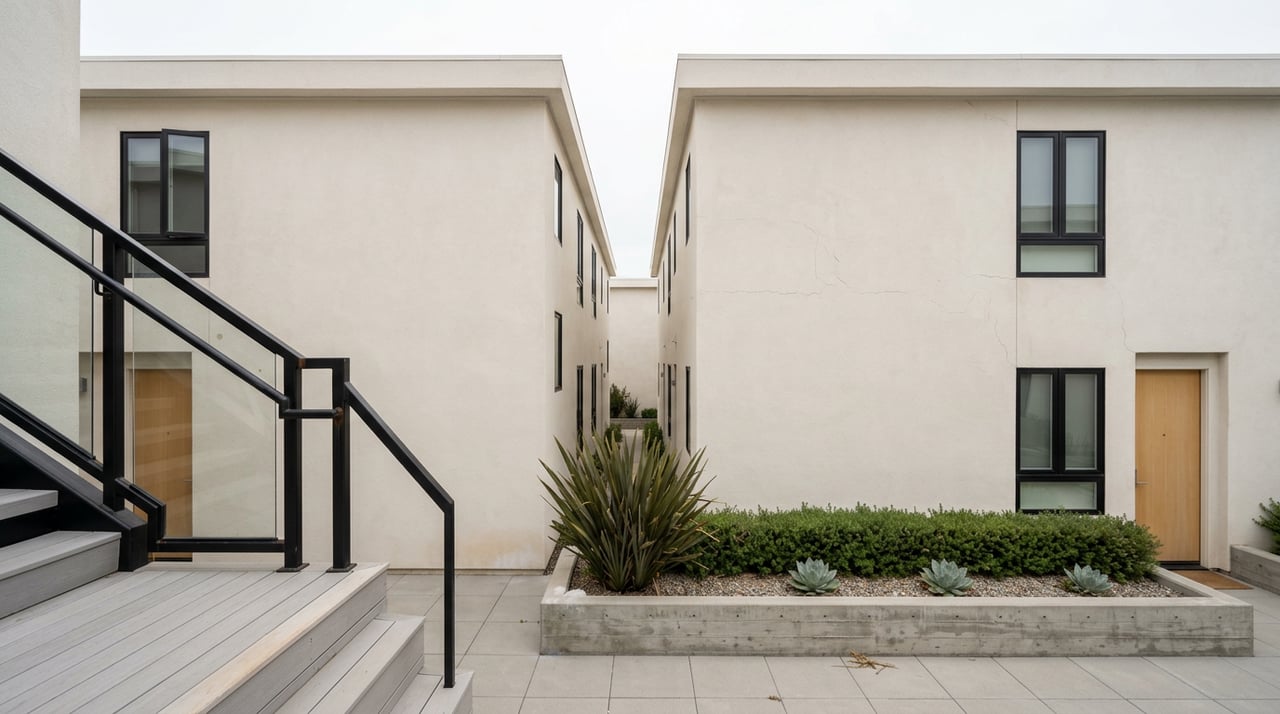
You often get a balcony, small patio, or shared courtyard. Some buildings offer private courtyards or roof decks. Exterior changes and outdoor improvements usually require HOA approval.
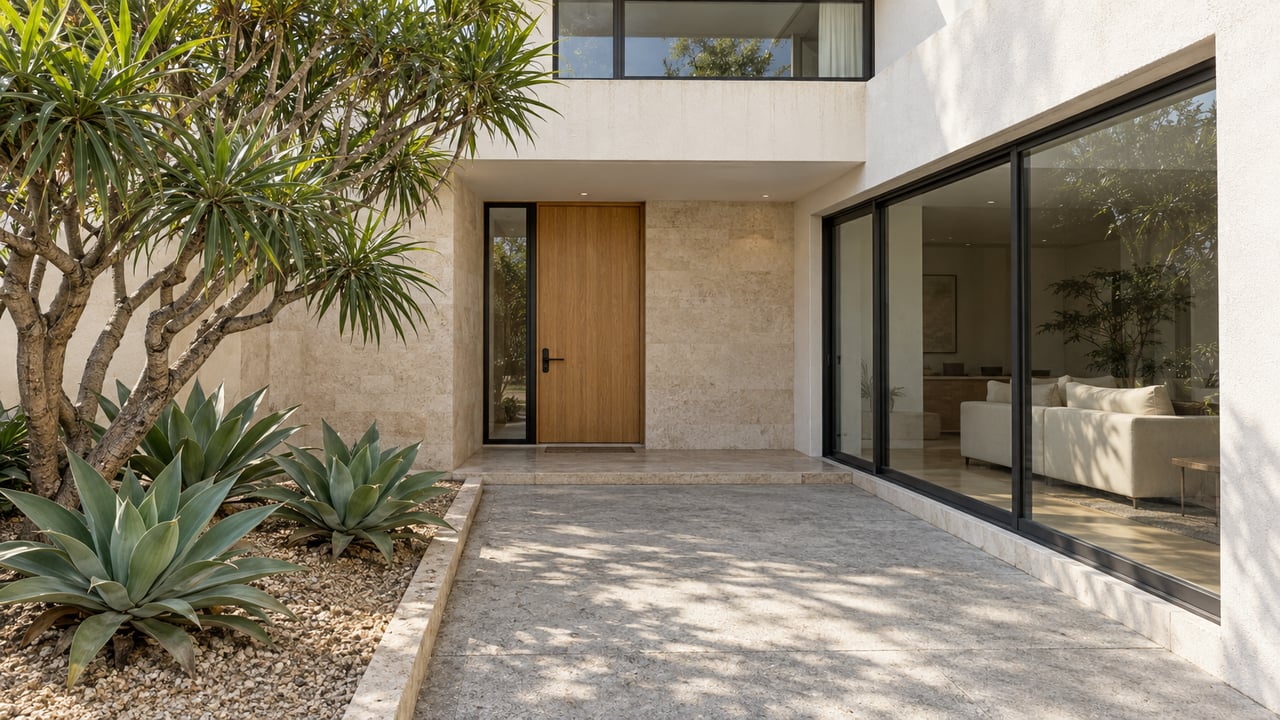
You typically have a private yard, deck, or patio, and room for landscaping or a pool. Lot sizes vary widely. Near bluffs, plan for setback rules and safety considerations when planning landscaping or improvements.
Expect assigned spaces or a garage, with guest parking that can be limited in high season. Some buildings restrict additional vehicles and street parking. Know the guest rules before hosting.
Private driveways and garages are common. Street parking near the Village and beach can be limited during events and peak days. If you want easy access to services, consider proximity to groceries and daily errands.
Del Mar’s municipal codes and some neighborhoods use permit or time-limited parking near beaches and during events. Confirm any local restrictions that could affect your routines or guests.
Condos and townhomes near the Village offer the highest walkability to dining, shopping, and central beach access. You trade some privacy and outdoor space for convenience.
Single-family homes in areas like Del Mar Heights, the North Bluff, or near Torrey Pines often offer larger lots and a quieter setting. You are usually a short drive to the beach and restaurants.
If you want to stroll to dinner and sunrise surf sessions, a Village-area condo can be a great fit. If you value a yard, privacy, and space to entertain, a single-family home may suit you better. Many buyers decide based on which everyday routines they value most.
Bluff stability, coastal erosion, and sea-level rise matter for bluff-top and shoreline properties. Some homes fall within designated hazard or flood zones. If a property is near the bluffs or low-lying, ask for geotechnical history and confirm flood zone status.
Coastal properties can see higher homeowner insurance premiums. If a structure lies in a FEMA flood zone, flood insurance may be required by a lender. Condo buyers should verify what the HOA’s master policy covers versus what your HO-6 policy must cover. Get quotes early to avoid surprises.
Some loans require condo project approval, so verify eligibility if you use FHA or VA financing. Views and proximity to the coast can influence appraisals. In a low-inventory market, comparable sales can be limited, which can affect valuation and timing.
City rules and HOA CC&Rs can restrict vacation rentals. If rental income is part of your plan, review both the municipal code and the association’s policies before you write an offer.
Ask yourself a few quick questions:
Both paths work well in Del Mar. Condos deliver low-maintenance living and walkability, while single-family homes offer privacy and flexible outdoor space. Focus on how you want to live each day, then check the HOA, coastal, and insurance details so your choice aligns with your budget and risk comfort.
If you want local, senior-level guidance on specific buildings and streets, connect with Debbie Keckeisen for a calm, data-backed plan tailored to your goals. Request a Complimentary Consultation with Debbie Keckeisen.
Stay up to date on the latest real estate trends.






Debbie is passionate about making a difference through real estate, and she's committed to ensuring that every client receives the highest level of support and guidance.