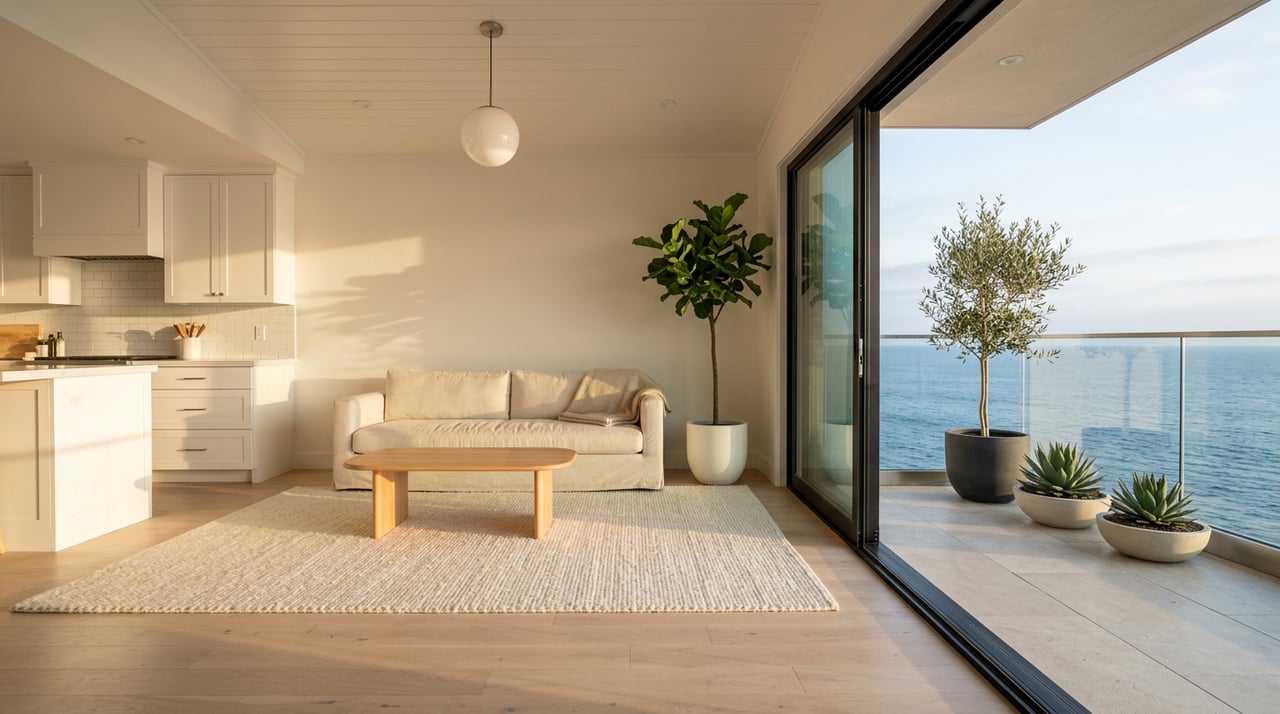
Downsizing In La Jolla Without Losing The Lifestyle
March 5, 2026
March 5, 2026
You earned your La Jolla lifestyle. Morning walks along the bluffs, coffee by Prospect, sunset views that never get old. If your next chapter includes a smaller, easier home, you do not have to give up what you love to right-size. In this guide, you will see where to look, which property types fit a lock-and-leave life, the HOA and financing checks that protect you, and a simple plan to move with confidence. Let’s dive in.
La Jolla remains a high-value coastal market. Typical home values hover around $2.3 million, and recent median sale prices sit in the mid 2 million range. Many longtime owners hold significant equity, which can fund a move. The tradeoff is that smaller homes and view condos in walkable blocks still command premium prices.
That is why planning matters. Decide early whether you want to buy with cash, carry a small loan, or use a program designed for older buyers. If you are 62 or older, you may explore a reverse mortgage option that can help you buy while preserving cash flow. Lender prechecks and timing your sale-to-purchase steps can reduce stress and protect your lifestyle goals.
Condos near the Village or Shores help you keep a resort-like life with less upkeep. You will often find elevator access, security, and amenities like a pool or gym. Locations by shops, restaurants, and beaches improve day-to-day ease and social time.
Balance those perks with HOA fees and rules. Association dues in La Jolla can range widely, with examples from about 475 dollars to 889 dollars or more per month depending on building age, size, and services. Review pet policies, rental limits, and any projects that may prompt special assessments. For buildings with balconies or decks, review required exterior elevated element inspection reports under California’s SB 326 so you understand safety fixes and cost timelines. See the state’s summary of these inspections for context at the Davis Stirling resource on exterior elevated element inspections: SB 326 inspection guidance.
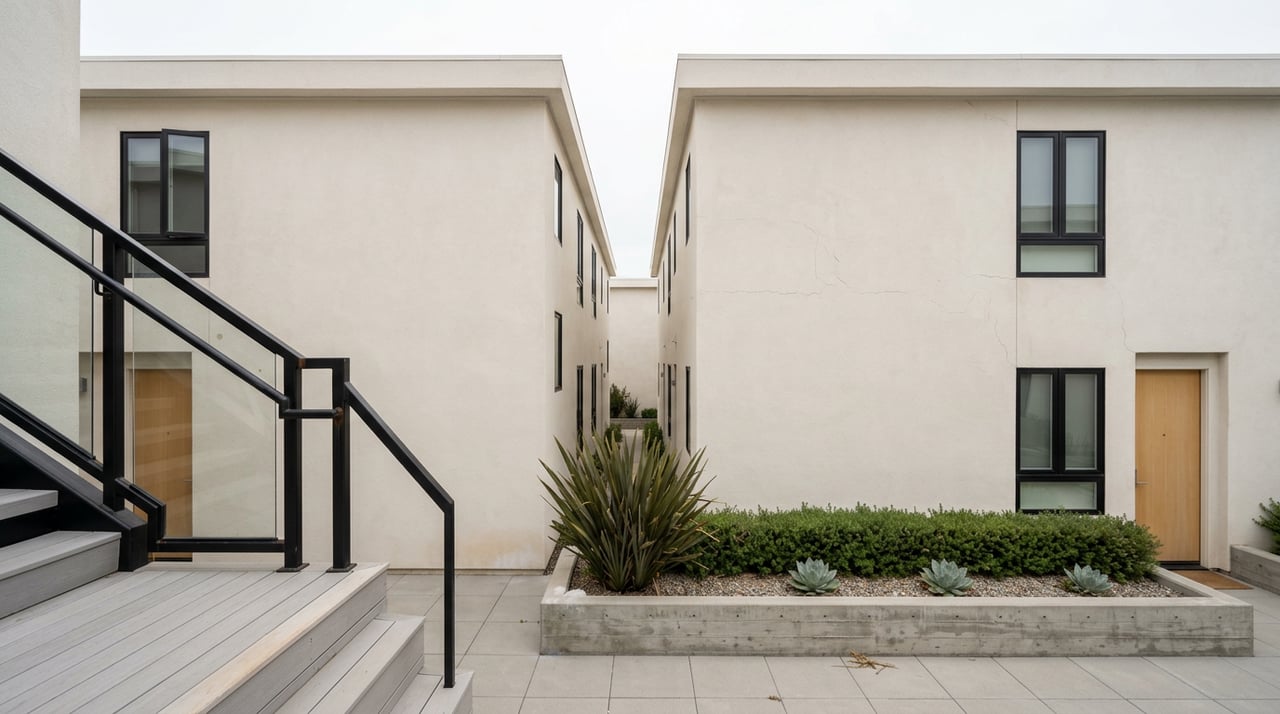
Townhomes offer a house-like layout with a private garage and sometimes a small yard, yet they usually require less exterior upkeep than a large single-family home. Many townhome communities are also governed by association rules similar to condos. Read the reserve study and funding plan closely to spot deferred maintenance or underfunded reserves that can lead to assessments. The Davis Stirling summary of reserve studies explains why this matters: Reserve study and funding basics.
A bungalow or cottage gives you privacy, a yard, and freedom from most HOA limits. It can be easier to customize for aging in place. You will take on full responsibility for exterior maintenance and landscaping, and smaller homes still carry strong land value in many La Jolla pockets. Walkability varies by block, so weigh yard space against proximity to daily needs.
If you prefer to stay put, an accessory dwelling unit can be a creative option. You could live in the new ADU and rent the main home, or keep the main home and use the ADU for income or guests. California encourages ADUs, but coastal parcels in La Jolla can trigger added coastal review. The state’s housing department offers guidance on ADU policy and enforcement. Start with the state’s resource page and confirm whether a Coastal Development Permit applies to your property: California HCD guidance.
This is La Jolla’s commercial heart with the highest walkability for dining, galleries, errands, and bluff walks. Buildings near the core often deliver the easiest daily routine. Walk Score rates show that blocks in the Village range from somewhat walkable to very walkable. Explore the map and scores for your target area: La Jolla Village walkability.
If you prize sand underfoot and a relaxed beach vibe, the Shores may be right for you. Daily errands can be more spread out than the Village, but you gain instant beach access and a low-rise, coastal feel. Check the area’s walkability and visit at different times of day to test your routine: La Jolla Shores walkability.
These neighborhoods offer small local corridors, coastal overlooks, and surf access with a quieter pace. Many streets place you a short stroll from cafés and viewpoints while avoiding the busiest tourist zones. Expect a more residential rhythm and compare specific blocks for daily convenience.
Hilltop neighborhoods deliver views and privacy. If you choose these areas, consider drive times, the number of stairs or grade changes, and access to services. Some homes solve elevation with an elevator, while others rely on creative layout and safety features to maintain easy living.
Pro tip: Walkability is block by block in La Jolla. A condo two blocks from Prospect can feel very different than a hillside cottage a mile away. Use a walkability tool and visit morning and evening to see how it fits your life.
Buying into an association brings shared services and shared rules. The right prep keeps surprises out of your escrow. As soon as you are under contract, order the resale or estoppel package and schedule enough review time.
Key documents to request and review:
Red flags to discuss with your advisor include frequent changes to short-term rental rules, repeated special assessments, thin reserve balances, high owner delinquency, and rapid board turnover or governance disputes.
Financing checks to make early:
Timing note: HOA resale packages can take several days to a few weeks to arrive depending on management. Order early to protect your contingency window.
Downsizing usually unlocks equity and simplifies life, but taxes and title planning deserve the same care you give to the property search.
Know your numbers before you shop. A little homework reduces guesswork and helps you compare apples to apples.
Who to consult along the way:
Downsizing here is not about doing with less. It is about choosing smarter. Focus on walkable blocks that match your daily routine, buildings with healthy reserves and clear inspections, and a financing plan that preserves your freedom. With the right guidance, you can trade square footage for simplicity and keep the ocean life you love.
Ready to explore a right-sized plan that fits your timeline and goals? Request a Complimentary Consultation with Debbie Keckeisen to map options, compare costs, and move with confidence.
Stay up to date on the latest real estate trends.


Debbie is passionate about making a difference through real estate, and she's committed to ensuring that every client receives the highest level of support and guidance.