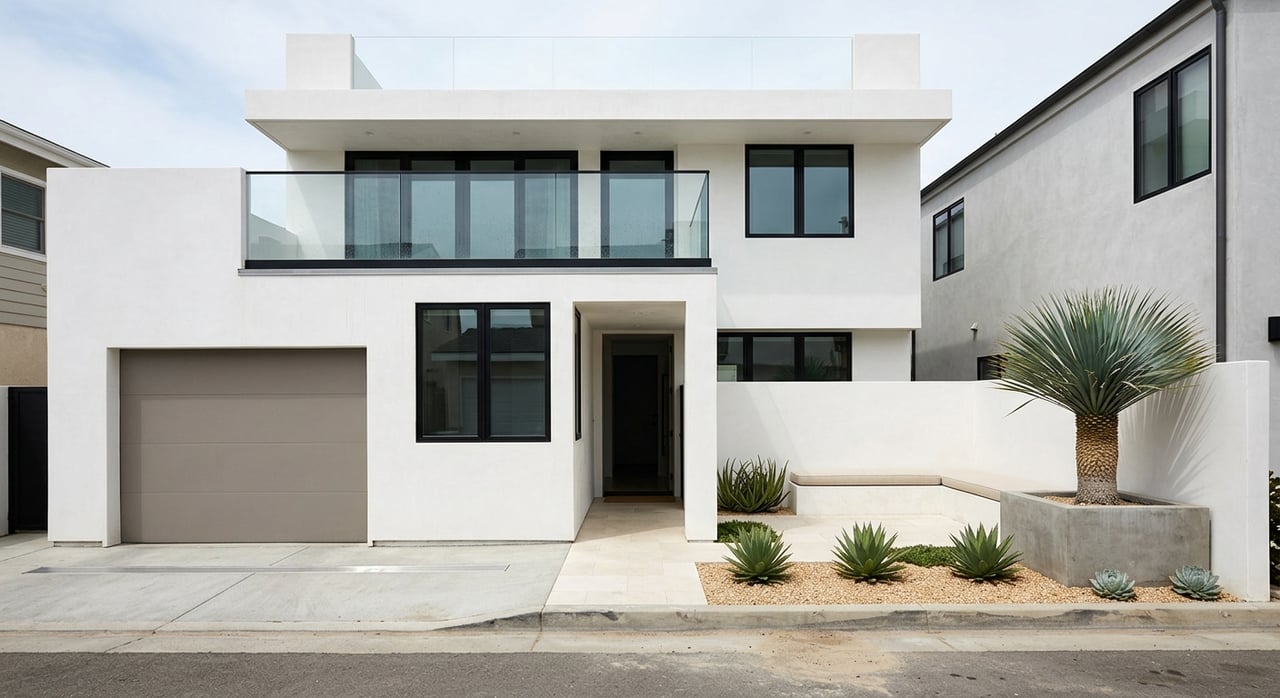
Pacific Beach Neighborhood Guide for Coastal Home Buyers
April 2, 2026
April 2, 2026
If you are drawn to the idea of living near the sand, Pacific Beach usually lands high on the list. But buying here is not just about ocean views and sunny afternoons. You also need to understand how each part of the neighborhood lives day to day, what kinds of homes are most common, and what tradeoffs come with a busy coastal location. This guide will help you sort through Pacific Beach with more clarity so you can focus on the areas that fit your goals. Let’s dive in.
Pacific Beach sits along San Diego’s mid-coastal edge, bordered by I-5 to the east, the Pacific Ocean to the west, Mission Beach and Mission Bay to the south, and La Jolla to the north. According to the City of San Diego’s Pacific Beach community profile, the neighborhood has nearly 47,000 residents, around 1,500 businesses, and more than two miles of shoreline.
That setting gives you a mix that many coastal buyers want but do not always find in one place. You get direct beach access, bay access, everyday services, and a wide range of housing types within one community. Pacific Beach is also primarily residential, with about 76% of land in residential use, which helps explain why it can feel like a true neighborhood and not only a beach destination.
Pacific Beach offers a broader housing mix than many buyers expect. Based on SANDAG demographic data published by the City of San Diego, the neighborhood had 22,326 housing units in 2022, including 4,417 detached single-family homes, 4,174 attached single-family homes, and 13,735 multifamily units.
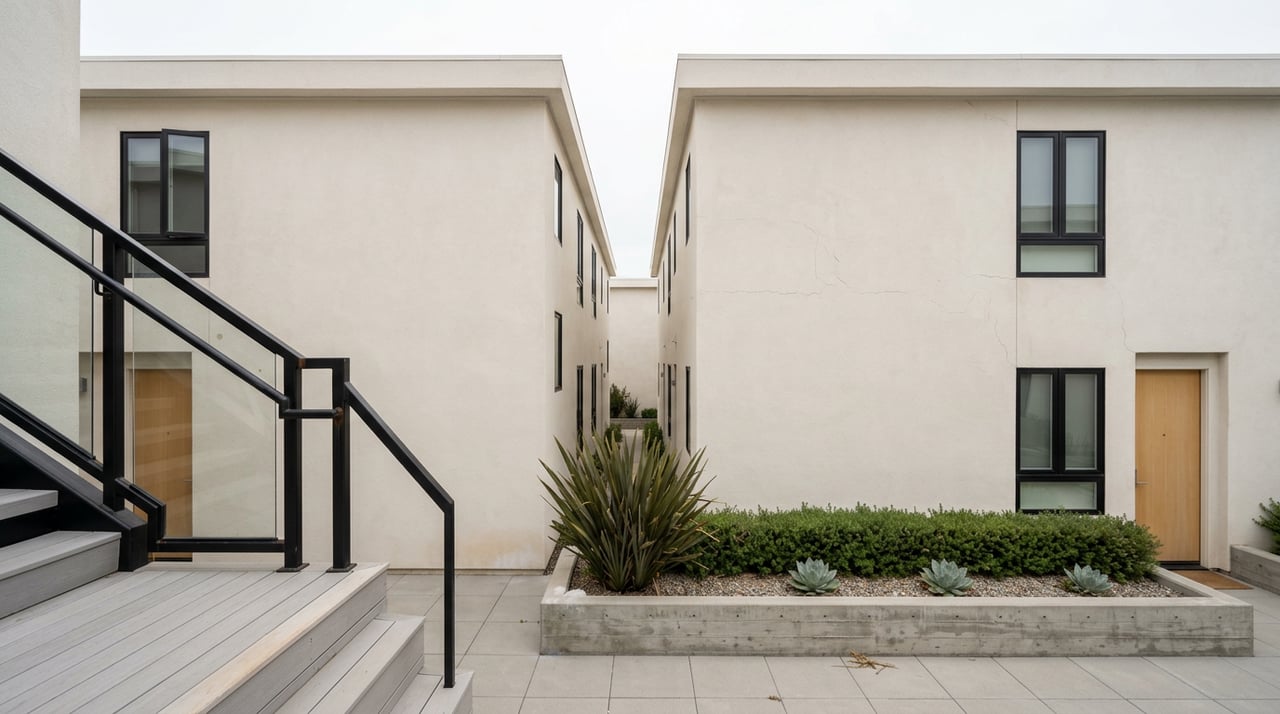
For you as a buyer, that means condos and apartment-style properties make up the largest share of the area’s housing stock. At the same time, townhome-style living and detached homes remain meaningful parts of the market, especially as you move away from the busiest corridors. Because Pacific Beach is so built out, many opportunities come through resale, infill, and redevelopment rather than large new-home communities.
Pacific Beach is not one-note. The overall neighborhood shares a coastal lifestyle, but different sections can feel quite different depending on your priorities.
If you want a setting that may feel more residential, North Pacific Beach is often the first place to explore. The city describes this area as extending about a mile north of Crystal Pier to Pacific Beach Point, with Tourmaline Surfing Park at the north end and a boardwalk along the cliff top at the south end.
City planning documents note that the northwest quadrant is largely low-profile single-family housing. Lower-density multifamily homes appear closer to the beach and bay, while higher-density condo and apartment forms are more common along corridors such as Grand Avenue, Hornblend Street, and Lamont Street. For many buyers, this creates a useful balance between coastal access and a quieter day-to-day setting.
Crown Point brings a different kind of waterfront experience. It sits along Mission Bay rather than the open ocean, and the city describes Crown Point as a bayfront park area with picnic shelters, grassy open space, a boat launch, basketball courts, sandy beach access, and seasonal lifeguarded swimming areas.
For buyers, that bayfront location can appeal if you want easy access to water and park space without centering your lifestyle around the oceanfront boardwalk. It is a useful area to consider if your version of coastal living includes walking paths, calmer water activities, and a strong connection to Mission Bay amenities.
If you want to be close to the most active part of Pacific Beach, the south end and Mission Beach-adjacent corridor deserve attention. The city’s Mission Boulevard Public Spaces and Active Transportation study focuses on the area bounded by Mission Boulevard, Pacific Beach Drive, Diamond Street, and the boardwalk, showing how central this corridor is for walking and biking.
This is also the part of Pacific Beach most tied to visitor activity, mixed-use development, and the energy of nearby Mission Beach. Buyers looking here should expect a stronger mix of condos, townhomes, and visitor-serving buildings, along with a more active street scene. If you enjoy being near the action, this can be a great fit. If you want more separation from crowds, you may prefer to start farther north or farther inland.
One reason Pacific Beach draws so much attention is that the lifestyle is easy to picture. The neighborhood’s oceanfront boardwalk stretches about 3.5 miles from North Pacific Beach to South Mission Beach, and Crystal Pier remains one of the area’s signature landmarks.
Pacific Beach and North Pacific Beach both have permanent lifeguard stations, surfing access, restrooms, showers, and public transit access, according to the city’s Pacific Beach lifeguard and beach information. North Pacific Beach is also noted as a year-round surf area, which matters if ocean access is part of your daily routine rather than just a weekend bonus.
The bay side broadens the lifestyle even more. Mission Bay Park offers over 4,600 acres, 27 miles of shoreline, 19 sandy beaches, eight official swimming areas, and about 14 miles of bike paths. That means your day-to-day options can include beach walks, cycling, paddle sports, bayfront parks, and simple outdoor time close to home.
Pacific Beach also functions as more than a recreation zone. The city highlights restaurants, shops, pubs, hotels, the Pacific Beach/Taylor Library, the Pacific Beach Recreation Center, Kate Sessions Park, and Palisades Park as part of the neighborhood’s local infrastructure. For buyers, that mix can make it easier to picture living here full time rather than only visiting.
Pacific Beach offers a lot, but it helps to go in with realistic expectations. The city describes Pacific Beach as one of San Diego’s busiest beach areas, and large summer crowds are part of the normal pattern. That means parking pressure, heavier traffic, and boardwalk congestion can all affect your day-to-day experience, especially near the coast and during peak seasons.
This matters because location within Pacific Beach can shape your quality of life just as much as the home itself. A property near the beach may offer stronger walkability to the shoreline and entertainment, while a home farther north or inland may give you a different pace. Neither is better in a universal sense. It depends on how you want to live.
Another practical point is supply. The neighborhood is about 97% developed, according to the city’s Pacific Beach staging community profile, and vacant land is scarce. In real terms, that means buyers should be prepared for a market shaped by existing homes, redevelopment, and location-specific value differences rather than large waves of new inventory.
If you are buying near the coast, physical site conditions should be part of your research. The city notes that oceanfront bluffs north of Grand Avenue face erosion issues and that development close to the bluffs is constrained by the Sensitive Coastal Resource Zone.
That does not mean bluff-adjacent property is off the table. It means you should evaluate location carefully and understand that coastal ownership comes with factors beyond layout and finishes. In Pacific Beach, the setting is a major part of the value, but it is also part of the due diligence.
If your top goal is a quieter coastal setting, North Pacific Beach and some inland streets may be the best starting point. The city’s land-use and beach descriptions support the idea that these areas tend to lean more residential in feel, with a meaningful mix of detached homes and lower-density options.
If you want easier access to bayfront recreation, Crown Point gives you a different expression of coastal living. You are still close to Pacific Beach conveniences, but the lifestyle centers more on Mission Bay parkland, sandy bay beaches, and open space.
If your priority is energy, walkability to the boardwalk, and proximity to the neighborhood’s busiest coastal activity, the oceanfront core and Mission Beach-adjacent areas may fit best. These sections often appeal to buyers who want an active setting and are comfortable with the tradeoffs that come with it.
Pacific Beach rewards buyers who look beyond the broad neighborhood name and focus on block-by-block fit. Small changes in location can affect noise levels, access patterns, parking realities, housing type, and even how often you use the beach or bay.
That is why local context matters so much in a coastal purchase. When you understand how the neighborhood’s sub-areas function in real life, it becomes much easier to narrow your search and make a confident decision. If you are thinking about buying in Pacific Beach or elsewhere along the San Diego coast, Debbie Keckeisen can help you evaluate the lifestyle, property mix, and location details that matter most.
Stay up to date on the latest real estate trends.
Debbie is passionate about making a difference through real estate, and she's committed to ensuring that every client receives the highest level of support and guidance.