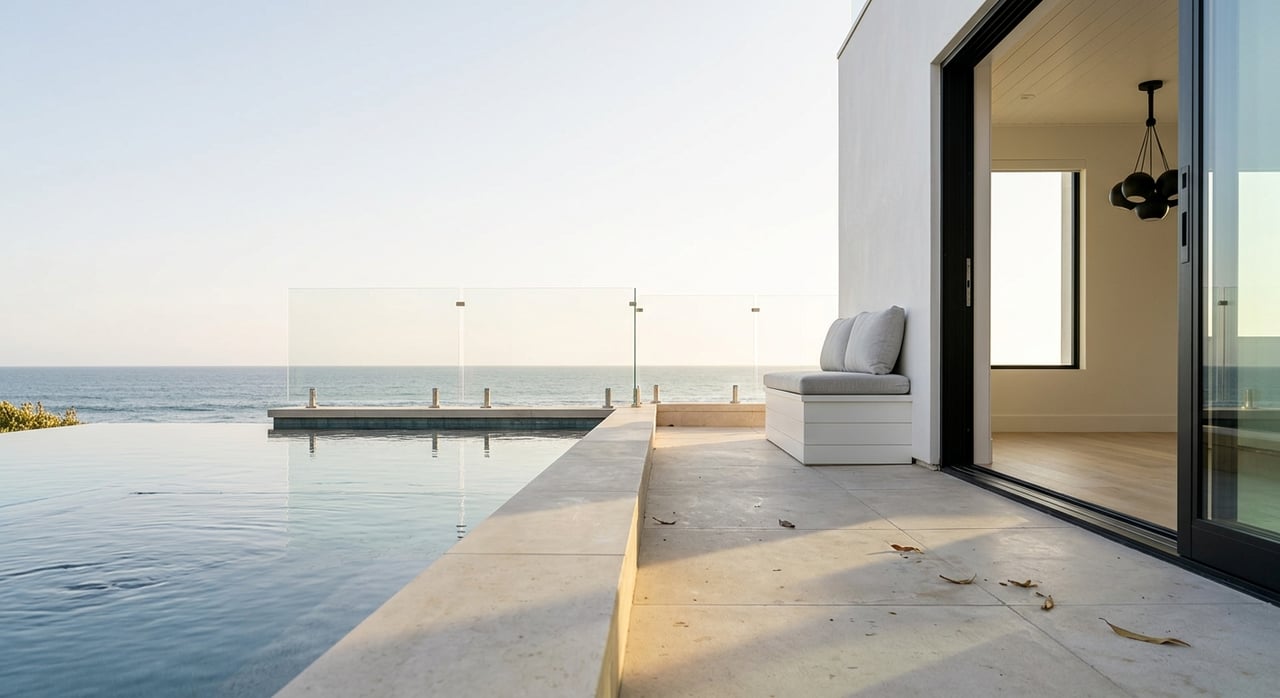
What Coastal Living In La Jolla Really Feels Like
June 4, 2026
June 4, 2026
What does coastal living in La Jolla actually feel like once the vacation photos fade and daily life begins? For many buyers, that is the real question. You are not just choosing an ocean view or a well-known zip code. You are choosing a rhythm, a setting, and a set of everyday tradeoffs. This guide will help you picture that rhythm more clearly, from beach mornings and cultural afternoons to practical details like parking, access, and the feel of an established coastal community. Let’s dive in.
La Jolla is an established coastal community within the City of San Diego, about 12 miles north of Downtown. City materials describe a community of roughly 5,700 acres and about 32,000 residents, shaped by ocean bluffs, beaches, steep canyons, hillsides, and Mount Soledad. Even though it is part of a major city, La Jolla is also described as retaining a small-town character and strong civic pride.
That matters when you are trying to imagine daily life here. La Jolla does not feel like a place being built from scratch. It feels mature, layered, and rooted, with routines that revolve around the Village, the Shores, and Bird Rock commercial districts.
The planning profile adds another important detail: La Jolla is about 99 percent built out. In real life, that often means you see a neighborhood shaped more by renovation and infill than by large waves of new development. If you are drawn to places with a settled identity and limited land supply, that is part of what gives La Jolla its distinct feel.
In La Jolla, the coastline is not just scenery in the background. It often becomes part of how your day unfolds. The area stretches along about seven miles of Pacific coastline, and the physical setting influences everything from morning exercise to weekend plans.
You might start the day with a walk near the water, an ocean overlook, or time at one of the local parks. You may find that being close to beaches, bluffs, and shoreline paths changes how often you step outside, even for short breaks. Coastal living here tends to feel active, visual, and tied to the natural landscape.
The city also notes that La Jolla is designated under the California Coastal Act as a special community of regional and statewide significance. That helps explain why public coastal access, preservation, and shoreline use are such visible parts of local identity. Living here means sharing a remarkable coastline, not simply owning a view of it.
If you picture La Jolla as a place where beach time can fit into ordinary life, that picture is accurate. Official city and tourism sources describe swimming, surfing, snorkeling, scuba diving, kayaking, stand-up paddleboarding, jogging, biking, and boardwalk walking as common activities.
La Jolla Shores plays a big role in that lifestyle. The city permanently staffs lifeguard stations at both La Jolla Cove and La Jolla Shores, and La Jolla Shores is about a mile long with what the city describes as the gentlest summer surf in San Diego. It also sits next to the La Jolla Underwater Park Ecological Reserve, which adds another layer to the outdoor experience.
For many people, that means the coast feels usable, not just beautiful. You are not limited to admiring the ocean from a distance. In the right season and setting, it can become part of your regular routine.
Kellogg Park helps define the feel of the Shores area. It includes a large grassy area, a playground, restrooms, showers, picnic space, and the city’s only beachfront boat launch.
That setup makes the area feel practical as well as scenic. It supports a real day at the coast, whether you are heading out for a surf session, bringing family to the park, or simply spending time outside without overplanning it.
At the same time, there is a real-world tradeoff. The city notes that the parking lot fills quickly on summer weekends. In other words, La Jolla’s most enjoyable spots are also highly valued by others, especially during peak beach season.
One thing that makes coastal living in La Jolla feel different from many beach communities is how close daily life is to marine wildlife. This is not just a backdrop of sand and water. It is an active coastal environment.
Point La Jolla and Boomer Beach are regulated because of sea lion activity, and the Children’s Pool and nearby coves are known for wildlife viewing. That creates a strong sense that nature is not staged for visitors. It is present, protected, and woven into the experience of the shoreline.
For you as a resident or buyer, that can feel special and grounding. It can also require flexibility. Coastal access and use are sometimes shaped by wildlife protections, which is part of the balance that helps preserve what makes La Jolla unique.
La Jolla is not only about sand, surf, and views. The city describes it as a place with hotels, shopping, dining, and events, and local guidance is centered around the Village and nearby commercial areas.
That concentration gives daily life a more walkable, gathered feel than you might find in a more spread-out suburban pattern. Instead of relying on a broad retail grid, much of the social and commercial energy is focused in a few recognizable districts.
This can make everyday living feel both convenient and layered. You can move from a beach walk to coffee, errands, dinner, or an evening out without feeling like you are crossing a large metro area. For many buyers, that blend of coastal atmosphere and neighborhood activity is a major part of the appeal.
One of the most surprising parts of living in La Jolla may be how much cultural depth is packed into a coastal setting. The area is home to institutions that give the neighborhood a richer day-to-day texture than many people expect.
The Athenaeum Music & Arts Library, founded in 1899, presents more than 200 programs and cultural events annually. La Jolla Playhouse reports 132 world premieres and 37 productions that have gone on to Broadway. The Museum of Contemporary Art San Diego’s La Jolla location sits on Prospect Street and includes ocean-view dining at The Kitchen.
The city also identifies La Jolla Playhouse, the Museum of Contemporary Art, and Birch Aquarium as community anchors. In practical terms, that means a day here can move easily from the coastline to theater, art, or science-focused outings. Coastal living in La Jolla often feels less one-note than people expect.
For all its beauty, La Jolla also functions as a full-time residential community. That may sound obvious, but it matters when you are trying to picture living here year-round rather than visiting for a weekend.
City materials point to everyday civic infrastructure such as the La Jolla/Riford Library, La Jolla Recreation Center, and parks including Kellogg Park, Ellen Browning Scripps Park, Cuvier Park, Coast Blvd Park, and Windansea Park. These places help support a lived-in rhythm beyond the tourist postcard version of La Jolla.
Medical access is also notably strong for a coastal neighborhood. Scripps Memorial Hospital La Jolla is located just off Interstate 5 on Genesee Avenue, and UC San Diego Health lists multiple La Jolla locations, including Koman Family Outpatient Pavilion, Moores Cancer Center, and Sulpizio Cardiovascular Center, along with several clinics in the area.
That combination helps La Jolla feel more complete in daily life. You have shoreline access and cultural amenities, but you also have core services that support full-time living.
No coastal neighborhood offers only upside, and La Jolla is no exception. In many ways, the same features that make it special also create the most common friction points.
Parking and access can get tight, especially near the coast. The city notes that the La Jolla Shores parking lot fills quickly on summer weekends, and official sources also point out that summer streets can become crowded with pedestrians, bicyclists, and motorists.
Some access points are also steep or limited. Black’s Beach, for example, is described by official sources as having steep and hazardous access. If you are thinking about lifestyle fit, it helps to view these details not as flaws but as part of the reality of living in a beautiful, heavily used, and carefully protected coastal environment.
At its core, coastal living in La Jolla feels like a blend of beauty, routine, and restraint. You get a striking natural setting, strong neighborhood identity, and a lifestyle built around short trips, shoreline access, and local institutions.
You also live with the realities of a highly sought-after coastal community that is largely built out. That means limited land supply, seasonal crowding in key areas, and rules designed to protect both people and the marine environment.
For the right buyer, those are not contradictions. They are exactly what make La Jolla feel established, meaningful, and hard to replicate. If you are looking for a place where ocean access, neighborhood character, and everyday life truly overlap, La Jolla offers a version of coastal living that feels both elevated and very real.
If you are exploring a move to La Jolla, buying a second home, or preparing to sell a property in this market, working with someone who knows the neighborhood block by block can make the process far more clear. Debbie Keckeisen brings deep local knowledge, a calm advisory approach, and the high-touch service San Diego Dream House is known for.
Stay up to date on the latest real estate trends.

Debbie is passionate about making a difference through real estate, and she's committed to ensuring that every client receives the highest level of support and guidance.