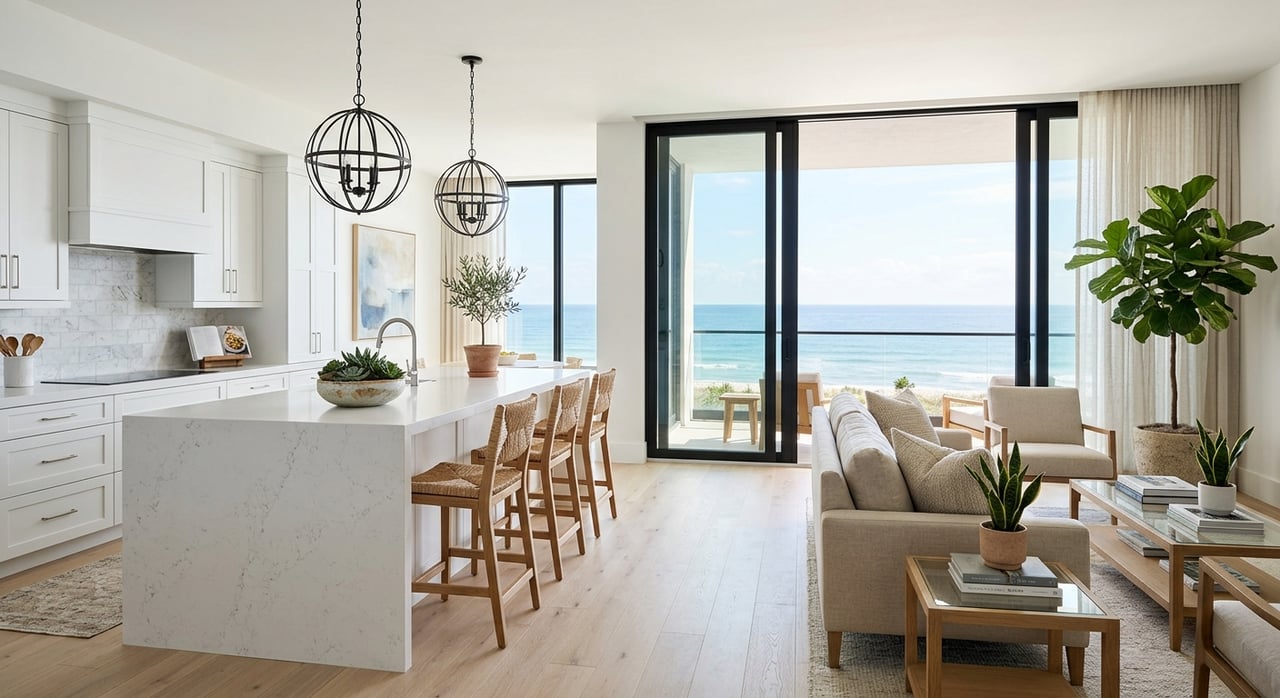
Luxury Condo Or Coastal Home In La Jolla?
June 18, 2026
June 18, 2026
What does luxury really look like in La Jolla: a polished condo with shared amenities and easier upkeep, or a detached coastal home with more control over the property itself? If you are weighing both, the choice can feel less about price point and more about how you want to live, maintain, and manage a home in one of San Diego’s most established coastal communities. This guide will help you compare the tradeoffs that matter most in La Jolla, from HOA structure to coastal permitting, so you can make a smarter decision with confidence. Let’s dive in.
La Jolla is not a blank slate market with large waves of new construction. It is a primarily residential coastal community that is about 99 percent built out, which means today’s inventory is largely made up of established homes and infill development rather than brand-new subdivisions.
That matters because your decision is not just between two property types. In La Jolla, you are often choosing between two ownership experiences within a mature coastal setting shaped by bluffs, beaches, canyons, hillsides, and long-standing neighborhood patterns.
The area also has real coastal planning considerations. San Diego reports that sea level has risen about 6 inches since 1970 and could rise another 0.8 feet by 2050, and La Jolla Shores is one of the city’s prioritized coastal resilience pilot sites. For buyers, that means long-term site conditions deserve just as much attention as views, finishes, or square footage.
A luxury condo in California is often part of a common interest development. That means ownership usually includes automatic HOA membership, and the association maintains common areas while enforcing the governing documents for the property.
For many buyers, this setup is appealing because it can reduce the amount of day-to-day exterior responsibility. If you are a second-home buyer, relocating executive, or downsizer, that structure may feel more convenient because many shared building or community responsibilities are handled by the association.
With a condo, your lifestyle is shaped in part by the HOA’s governing documents. These can include the articles of incorporation, bylaws, and CC&Rs, along with rules that may cover design review, renovation standards, guest use, parking, or rental restrictions.
It is also important to remember that appearance alone does not define ownership structure. In California, a property that looks like a detached home may still be part of a condominium or planned development, so you need to confirm exactly what you are buying.
A condo’s monthly cost is not just your mortgage. HOA dues are usually paid separately and can range from a few hundred dollars per month to more than $1,000, depending on the community and what is included.
Those dues typically support operating costs, reserves, administration, and contingency planning. If regular assessments are not enough to cover major repairs or unexpected expenses, the board may levy special assessments, which is why the association’s financial health matters so much.
Insurance is another area where condo ownership can surprise buyers. In many multi-unit buildings, the association carries master insurance for common areas, but you still need insurance for the unit itself.
That means your due diligence should include understanding how the master policy and your individual coverage fit together. In a luxury building, that policy structure can be just as important as amenities or finishes.
A detached coastal home usually gives you more direct control over the property. In practical terms, that can mean more flexibility for landscaping, additions, and interior planning, along with a stronger sense of autonomy in how the property is used and maintained.
That freedom comes with more direct responsibility. Instead of relying on an association for most exterior decisions, you are more likely to manage repairs, upkeep, insurance, and long-term capital improvements yourself.
If you enjoy making property-level decisions, a detached home may feel like the better fit. You may have more say over improvements and fewer day-to-day community rules than you would in a condo setting.
At the same time, the house, site, and systems become more fully your responsibility. In La Jolla, that includes not just the structure itself, but also the realities of owning in a coastal environment.
In La Jolla, property control does not mean unlimited freedom to build or change the site. Projects in the Coastal Overlay Zone may require a Coastal Development Permit before a construction permit is issued, and certain site conditions can trigger added review.
That review can be especially relevant if the property involves steep hillsides, sensitive coastal bluffs, special flood hazard areas, grading, decks, fences, vegetation removal, or other site work. For detached-home buyers, future plans for the property should be part of the purchase decision from the start.
On bluff-top and ocean-adjacent lots, the site itself can become a central part of ownership. A California Coastal Commission report on La Jolla notes bluff heights of roughly 25 to 30 feet in one stretch and explains that erosion-control measures may require geotechnical analysis and city approval.
That means a detached coastal home is not just about the house. It is also about understanding the condition, constraints, and long-term stewardship of the land under and around it.
Standard homeowner’s insurance typically does not cover flood damage. If a property is in a Special Flood Hazard Area, flood insurance is generally required for a mortgage, and those areas are treated as having at least a one-in-four chance of flooding over a 30-year mortgage.
For a coastal home in La Jolla, insurance review should happen early. It is better to understand flood exposure, coverage needs, and any site-related risk before you get too far into the process.
The better fit usually depends on your operating style as much as your design preferences. Here is a simple side-by-side view of the tradeoffs.
| Factor | Luxury Condo | Coastal Home |
|---|---|---|
| Maintenance | More shared exterior and common-area responsibility through the HOA | More direct owner responsibility for upkeep and repairs |
| Control | More rules through CC&Rs and board governance | More property-level control, subject to local permits and site limits |
| Monthly Costs | HOA dues plus mortgage and unit-level insurance | Direct budgeting for repairs, insurance, and capital work |
| Risk Focus | Reserve strength, assessments, insurance structure, board history | Bluff stability, flood exposure, permit history, future improvement feasibility |
| Lifestyle Fit | Often attractive for lock-and-leave convenience | Often attractive for privacy, autonomy, and site control |
The right questions can quickly clarify whether a property fits your goals. In La Jolla, due diligence should go beyond finishes and views.
If you want simplicity, shared services, and a more lock-and-leave ownership experience, a luxury condo may be the more practical choice. This can be especially appealing if you split time between homes, prefer a more predictable maintenance structure, or do not want to manage every exterior issue yourself.
If you value privacy, direct property control, and the ability to shape the home more independently, a detached coastal home may be the stronger fit. That path often suits buyers who are comfortable taking on more site-specific responsibility in exchange for more autonomy.
In La Jolla, neither option is automatically better. The smartest choice is the one that aligns with how you want to live, what level of responsibility you want to carry, and how comfortable you are navigating either HOA oversight or coastal property constraints.
If you are comparing luxury condos and coastal homes in La Jolla, working with a local advisor can help you look beyond surface appeal and focus on the issues that affect ownership long after closing. To talk through your options with a calm, experienced local expert, reach out to Debbie Keckeisen.
Stay up to date on the latest real estate trends.

Debbie is passionate about making a difference through real estate, and she's committed to ensuring that every client receives the highest level of support and guidance.