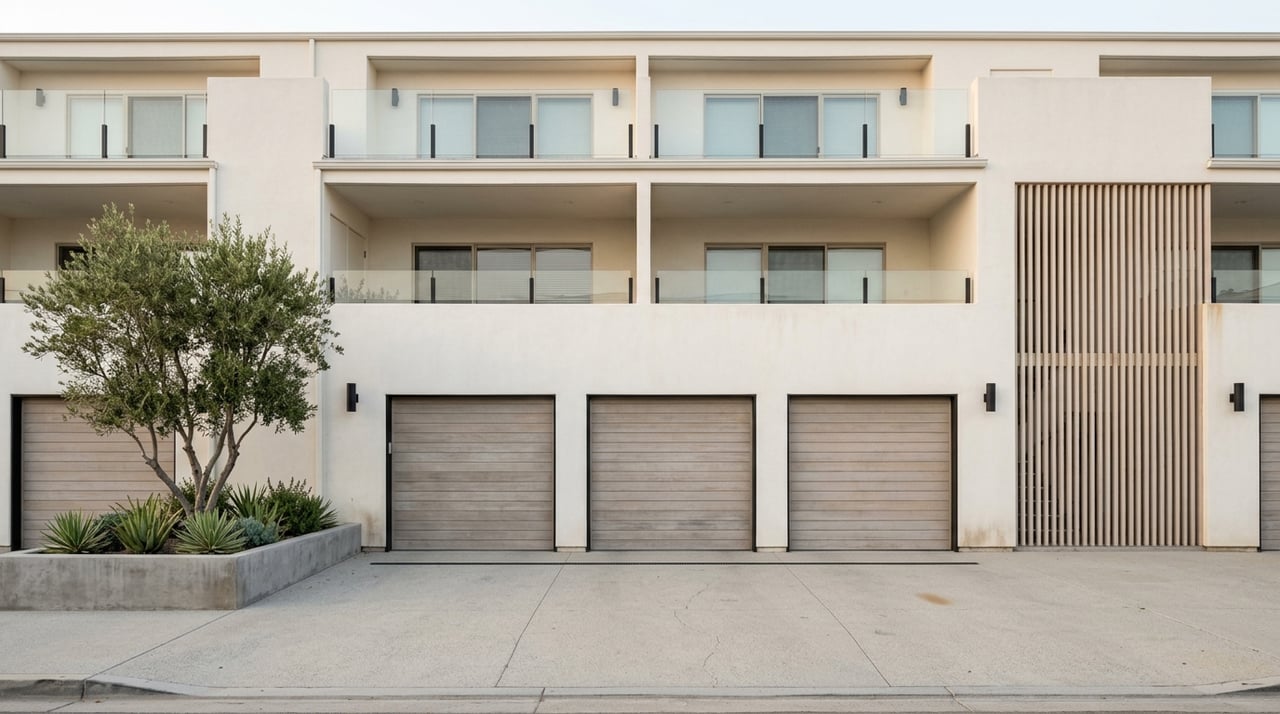
Buying A Duplex Or Triplex In Pacific Beach
June 25, 2026
June 25, 2026
If you have been eyeing Pacific Beach as both a place to live and a place to invest, a duplex or triplex can be one of the most practical ways to do both. In a coastal neighborhood where prices run high and available inventory can be limited, many buyers want a property that offers personal use, income potential, and long-term flexibility. This guide will help you understand how duplex and triplex buying works in Pacific Beach, what constraints matter most, and where careful planning can make a big difference. Let’s dive in.
Pacific Beach has a housing pattern that makes duplex and triplex ownership worth a serious look. The City of San Diego notes that about 88% of the community’s acreage is residential, and within that residential share, 39% is designated multifamily. That creates a neighborhood mix where small multifamily homes are part of the existing fabric rather than an afterthought.
The area is also largely built out. Few vacant residential parcels remain, and single-family areas are mostly developed already. For you, that usually means the best opportunities are existing duplexes or triplexes, properties with value-add potential, or infill possibilities on lots that are already in use.
Pacific Beach also has a long history as a beach and bay community with strong local activity around major routes and visitor-serving areas. That backdrop matters because it supports ongoing housing demand in a neighborhood where many buyers want both lifestyle access and income support from rental units.
For many buyers, the biggest appeal is simple: you can live in one unit and rent the others. In a high-cost market, that setup may help offset monthly ownership costs while still giving you a home in one of San Diego’s most recognized coastal communities.
Pacific Beach’s community plan also supports residential activity along transit corridors and commercial spines such as Garnet Avenue, Mission Boulevard, and Mission Bay Drive. The plan explicitly supports mixed-use projects in those areas, which reinforces the idea that residential and income-producing use can fit naturally in parts of the neighborhood.
Market data points in the same direction. In May 2026, Realtor.com reported a median listing price of $1.225 million, median monthly rent of $3,400, 132 homes for sale, and 192 rental listings. Redfin reported a median sale price of $1,499,496 for the three months ending May 2026. While those figures come from different sources and should not be compared directly, they both suggest a high-cost market with meaningful rental demand.
Scarcity is one of the first realities to understand before you start your search. Because Pacific Beach is largely built out, you are usually not shopping a large pipeline of newly built duplexes or triplexes. More often, you are evaluating resale inventory that may need updates, operational improvements, or a careful review of what the lot can realistically support.
That can be a good thing if you want a property with upside. A well-located duplex or triplex may offer future flexibility through renovation, improved unit mix, or better use of existing space. Still, in Pacific Beach, that upside needs to be weighed against zoning, coastal rules, parking, and the actual condition of the improvements already on site.
Before you get too far into analyzing any property, verify the parcel-specific zoning. San Diego states that all properties in the city have zoning designations tied to the Land Development Code, and the city’s residential base zones include RE, RS, RX, RT, and RM.
Just as important, the city directs buyers to confirm zoning in ZAPP because overlay zones can add rules beyond the base zone. In practical terms, that means the property description alone is not enough. If you are considering future changes, even modest ones, parcel-level verification should happen early in your process.
Pacific Beach’s coastal setting is part of its appeal, but it also adds another layer of review. The community plan says about 60% of Pacific Beach lies within the coastal zone. That is a major factor for any buyer thinking beyond simple day-one ownership.
The City of San Diego says that a project in the Coastal Overlay Zone may require a Coastal Development Permit before construction permits are issued. If you are buying a duplex or triplex with plans to add square footage, rebuild, or materially reconfigure the property, that extra step can affect timeline, cost, and feasibility.
There is also the Coastal Height Limit Overlay Zone to consider. According to the city’s technical guidance, the coastal area between the Pacific Ocean and Interstate 5 is generally subject to a 30-foot building height limit. For a buyer hoping to expand vertically or maximize future redevelopment, that cap can be very important.
In Pacific Beach, parking is not a small detail. It is often a major livability and underwriting issue, especially for duplexes and triplexes near beach-oriented areas where demand for parking can be high.
The community plan notes that beach-impact parking standards apply where near-shore parking demand is most critical. It also encourages consolidated or shared parking areas and allows reductions for certain mixed-use projects that use transit-oriented design features. For you as a buyer, the key takeaway is that the existing parking layout and any future parking requirements deserve close attention before you commit.
If you plan to live in one unit, a duplex or triplex may open financing paths that differ from a larger investment property. Fannie Mae states that it purchases or securitizes first-lien mortgages secured by residential properties with one to four units. It also allows a two- to four-unit principal residence when the borrower occupies one unit.
That is the foundation of the classic live-in-one, rent-the-others approach. Fannie Mae’s rental-income guidance says rental income from the subject property may be used when it is properly documented, including with the appropriate appraisal form and leases when applicable. It also says you cannot use rental income from the unit you will occupy to qualify.
Some lower-down-payment conventional options may also work for owner-occupied two- to four-unit homes. For example, Fannie Mae’s HomeReady comparison shows 95% loan-to-value for certain 2-unit and 3- to 4-unit purchase transactions on a DU basis, though manual underwriting is tighter and the program has an 80% area median income cap.
FHA can be another owner-occupant option. HUD states that FHA loans are available on one- to four-unit properties and can offer down payments as low as 3.5% on eligible purchases. Buyers should verify the current San Diego County FHA loan limit directly before relying on any number.
Even when financing options exist, Pacific Beach pricing can narrow the field. For 2026, FHFA lists conforming loan limits in San Diego County at $1,104,000 for one-unit properties, $1,413,350 for two-unit properties, and $1,708,400 for three-unit properties.
That matters because recent Pacific Beach pricing sits around the level where many duplex or triplex purchases may approach or exceed conforming territory. Depending on the property and your down payment, you may need jumbo financing, a different loan structure, or a more selective approach to the purchase price range you target.
When you look at a Pacific Beach duplex or triplex, it helps to think in layers rather than just asking whether the numbers work today. A good property may still be a poor fit if future improvements are unrealistic or if parking and overlay rules create limitations you did not expect.
Here are a few questions worth asking as you evaluate options:
That kind of review can help you avoid overestimating upside. In Pacific Beach, value often comes from buying the right existing setup rather than assuming a major future transformation will be simple.
A duplex or triplex in Pacific Beach can fit several types of buyers. You may be an owner-occupant who wants help with carrying costs, a second-home buyer who wants part-time personal use with income support, or an investor looking for a long-term hold in a coastal neighborhood with established demand.
The best fit usually comes down to your priorities. If you want pure simplicity, a single-family home or condo may be easier to manage. If you value flexibility, income potential, and a foothold in a built-out coastal market, a small multifamily property may offer a more strategic path.
Buying a duplex or triplex in Pacific Beach can be a smart move, but it works best when you go in with clear eyes. The upside is real: beach and bay access, strong neighborhood identity, rental demand, and the ability to combine personal use with income. The tradeoffs are just as real: limited inventory, zoning review, coastal constraints, parking considerations, and financing decisions that need careful planning.
When you understand those moving parts early, you can make more confident choices and avoid expensive surprises. If you are exploring a duplex or triplex in Pacific Beach and want a local, strategic view of the options, Debbie Keckeisen can help you evaluate properties with the calm, experienced guidance this kind of purchase deserves.
Stay up to date on the latest real estate trends.
Debbie is passionate about making a difference through real estate, and she's committed to ensuring that every client receives the highest level of support and guidance.