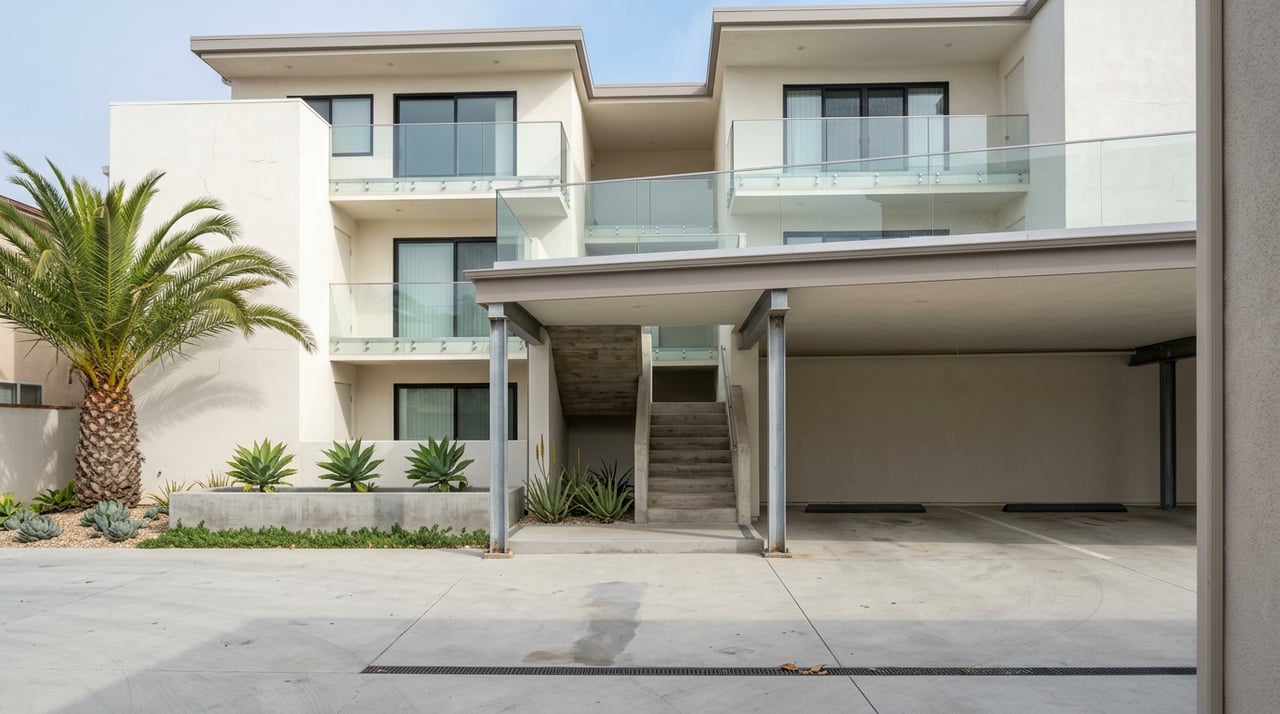
Buying A Condo In Pacific Beach: Key Considerations
May 14, 2026
May 14, 2026
Dreaming about a condo near the sand sounds easy until you start comparing HOA documents, parking realities, and rental rules. If you are thinking about buying in Pacific Beach, you are likely balancing lifestyle goals with practical questions about cost, condition, and long-term value. The good news is that a smart condo search in this market comes down to a few important details you can evaluate with confidence. Let’s dive in.
Pacific Beach sits beside the Pacific Ocean and Mission Bay, which is a big part of its appeal for buyers who want a coastal lifestyle. The City of San Diego also describes it as one of the city’s busiest beach areas, especially during summer when crowds are at their peak.
That mix of beach access, energy, and convenience attracts a wide range of condo buyers. You might be looking for a primary home, a second home, or an investment-minded purchase, but in every case, the building itself matters just as much as the location.
As a current market snapshot, Redfin shows 48 condos for sale in Pacific Beach with a median listing price of $870,000 and an average of 46 days on market. For buyers, that means it helps to look beyond the asking price and understand what you are really getting in the HOA, the building, and the day-to-day living experience.
When you buy a condo, you are not just buying your unit. You are also buying into a homeowners association and its financial decisions. In a coastal community with many older buildings, that makes HOA review one of the most important parts of your due diligence.
California law requires a reserve study at least once every three years, along with an annual board review. The annual budget report must also include a reserve summary, reserve funding plan, any anticipated special assessments, and the association’s insurance summary.
That information can help you understand whether the HOA is planning responsibly for major future costs. According to the California Department of Real Estate, reserve studies are meant to show how an association is preparing for long-term components such as roofs and pavement, and they can help buyers evaluate an HOA’s financial strength.
As you review disclosures, pay close attention to:
A lower HOA fee is not always the better value. If reserves are weak or major repairs are looming, you could face higher out-of-pocket costs later.
Pacific Beach has a large inventory of older properties, and the city says most of the community was built out after 1930. That does not mean older condo buildings are a problem, but it does mean you should look carefully at condition, maintenance history, and repair responsibilities.
One of the biggest buyer mistakes is assuming the HOA handles everything outside the walls. The California Department of Real Estate notes that in a true condo, owners are often responsible for items such as paint, non-structural fixtures, external doors, windows, patios, and balconies.
That is why the CC&Rs matter so much. Before you close, make sure you know exactly who pays for what when components age out or fail.
Ask clear, building-specific questions such as:
These answers can give you a much better picture of true ownership cost than list price alone.
If you are buying with rental income in mind, Pacific Beach requires extra care. In San Diego, any short-term residential stay under one month requires a city license.
Outside Mission Beach, the city caps licenses at 1% of total housing units. Each host may hold only one license at a time, licenses are not transferable, and Tier 3 whole-home licenses must be used at least 90 days per year to remain valid.
Just as important, city rules are only part of the picture. The California Department of Real Estate explains that CC&Rs are private restrictions that run with the land, and HOAs can enforce them through fines or limits on common-area access.
A city license does not override your condo association rules. A building can be more restrictive than the city, and for many buyers, that becomes the deciding factor.
Before you move forward, confirm:
If rental flexibility is part of your purchase strategy, this step should happen early.
Parking is a real quality-of-life issue in Pacific Beach. The city says the Pacific Beach Community Parking District uses meters on Garnet Avenue and nearby streets from 10 a.m. to 8 p.m., Monday through Saturday, at $1.25 per hour with a two-hour limit.
A city parking study found average occupancy at 78% on Thursday, 85% on Saturday, and 93% on Sunday. In practical terms, that means street parking can be tight, especially during busy periods.
For condo buyers, deeded or assigned parking is a major detail to confirm. Guest parking matters too, particularly if you expect visitors on weekends or during the summer.
Before you buy, ask:
A condo that looks perfect online can feel very different if parking is a constant challenge.
Pacific Beach offers a lively coastal setting, but that energy is not the right fit for every buyer or every block. The city describes Pacific Beach as one of San Diego’s busiest beach areas, and beach regulations specifically prohibit disturbing noise on the beach, cliffs, walkways, park areas, and adjacent parking lots.
The Mission Beach and Pacific Beach boardwalk also has an 8 mph speed limit, which reflects how active the area can be with walkers, riders, and beach traffic. These details may sound small, but they point to a bigger truth: your experience can change a lot depending on the exact location of the building.
The best way to evaluate livability is simple. Visit the property more than once, including weekday mornings, weekend afternoons, and weekend evenings.
Pay attention to:
A well-timed visit can tell you things a disclosure package never will.
Condo insurance often surprises buyers because coverage is split between the association and the unit owner. California insurance guidance says unit-owner policies generally cover personal property, loss of use, personal liability, and interior damage or improvements, while the HOA usually insures the building structure and common areas.
That division makes the HOA master policy worth close review. It also makes loss-assessment coverage important in some cases, since California guidance notes that it can help if the HOA makes assessments after a loss.
Standard policies also usually exclude earthquake, flood, earth movement, and wear and tear. California’s Department of Insurance says insurers must offer earthquake coverage, and the California Earthquake Authority’s condo unit policies can provide up to $100,000 for a unit owner’s share of certain assessments after covered earthquake damage.
As you compare condo options, review:
In a coastal area like Pacific Beach, insurance should be part of your budgeting from the start, not an afterthought.
It is easy to focus on purchase price, especially when inventory catches your eye. But in Pacific Beach, long-term value is closely tied to reserves, maintenance, insurance, and building rules.
A lower-priced condo may look like the better deal until you compare HOA dues, reserve strength, special-assessment history, and insurance gaps. In many cases, a better-managed building with stronger reserves can offer a more predictable ownership experience over time.
That is why condo buying in Pacific Beach works best when you evaluate both the unit and the association. The right purchase is not just about finding a home near the coast. It is about finding a building that supports your goals and your budget over the long run.
If you are considering a condo in Pacific Beach, a thoughtful review of documents, building condition, and lifestyle fit can help you make a more confident decision. For personalized guidance on Pacific Beach condos and other coastal San Diego opportunities, connect with Debbie Keckeisen.
Stay up to date on the latest real estate trends.
Debbie is passionate about making a difference through real estate, and she's committed to ensuring that every client receives the highest level of support and guidance.